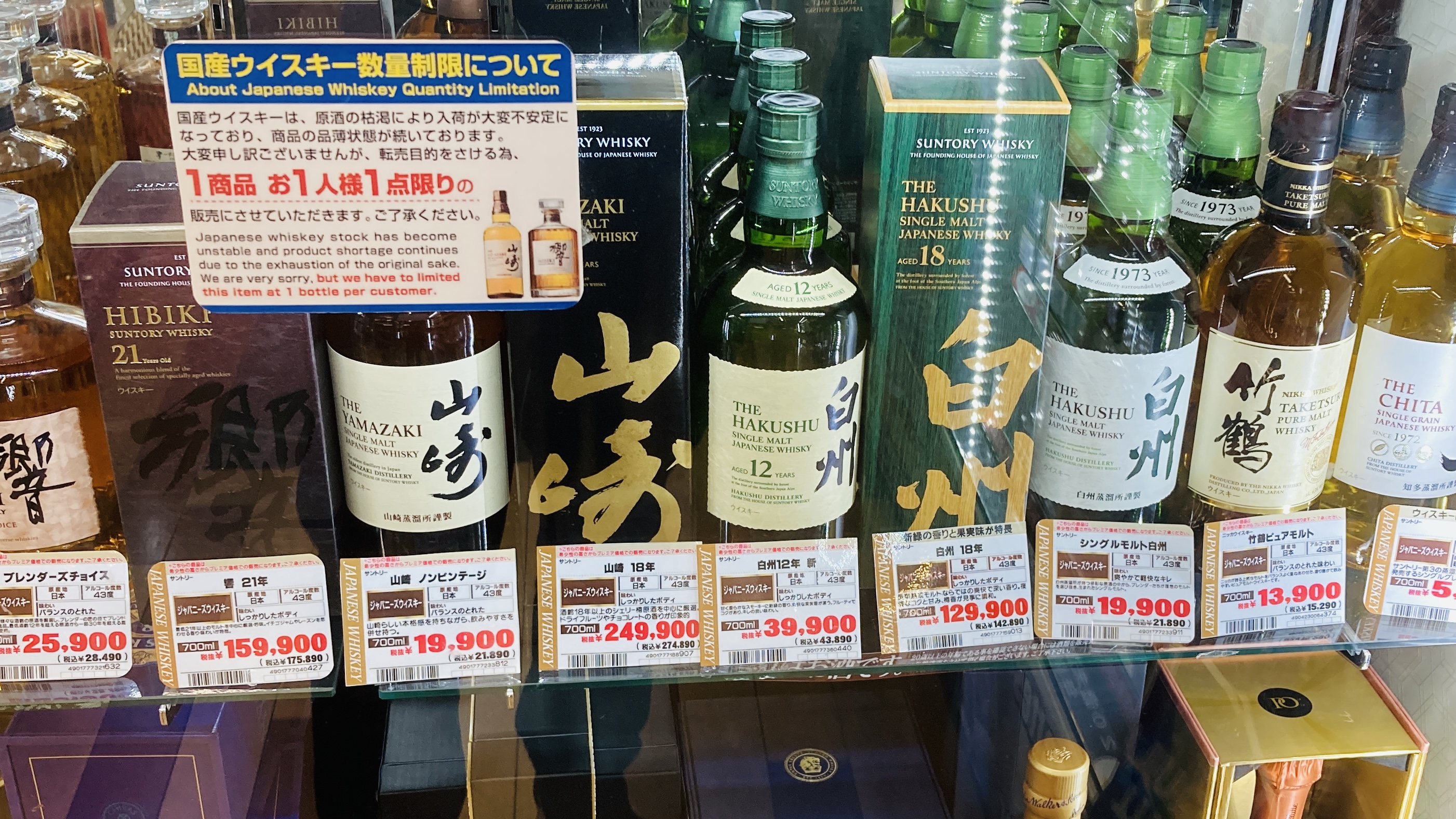
I follow a personal process that weighs several factors, including pricing categories and my own experience with the bottle when deciding whether to buy whiskey at secondary prices. Buying whiskey at secondary prices, whether reasonable (low), average, or unreasonable (high), depends on how much I value the whisky, its availability, and how it fits into my collection. This post walks through my thought process on when I choose to pay above MSRP, considering not just price but also factors like proof, age, and type of whisky.
When considering purchasing a whiskey, it’s essential to understand the different types of pricing:
- MSRP (Manufacturer’s Suggested Retail Price): This is the standard price set by the manufacturer.
- Secondary Pricing: This is the price set by third parties, often significantly higher than MSRP. Secondary pricing can be broken down into three categories:
- Reasonable (low): Slightly above MSRP, but still within a fair range.
- Average: The most commonly seen markup, typically what you’ll find on many online shops, liquor shops, etc..
- Unreasonable (high): Prices that are excessively marked up, far above the average.
Aside from the term “secondary”, there are no other official terms used to further break down pricing. What I mentioned above is just how I generally categorize the secondary pricing further, and these are the terms that I’ll be using in the remainder of this post.
Example: Yamazaki 12-Year-Old
- MSRP: 16,500 JPY
- Reasonable: Anything between MSRP and the average price, depending on the store or shop.
- Average: 27,490 JPY (commonly seen price online).
- Unreasonable: Anything above the average price.
Decision-Making Scenarios
To illustrate how I decide whether or not to buy a whisky at secondary pricing, let’s look at a couple of scenarios. In more recent days, I’ve been seeing Yamazaki 12 year pop up on shelves and stores, so I’ll use that as an example.
Scenario 1: Yamazaki 12-Year-Old at Average Secondary Pricing
- Have I tried it before? Yes
- Have I owned a bottle before? Yes
- Available online? Yes
- Available in stores? Yes
- Is this a core expression product? Yes
- Search length below 1 year? Yes
Decision: Probably not. While the Yamazaki 12 was once a highly sought-after and hard-to-find bottle, it’s becoming more accessible again. Since I’ve tried it before and own a bottle, I don’t find it worth paying the average secondary price, even though I believe it’s an excellent whisky.
Scenario 2: Hakushu 12-Year-Old at Average Secondary Pricing
- Have I tried it before? No
- Have I owned a bottle before? No
- Available online? Yes
- Available in stores? No
- Is this a core expression product? Yes
- Search length below 1 year? No
Decision: After searching for over a year, and with no luck finding it in stores (albeit at a reasonable price), I would consider buying the Hakushu 12 at secondary pricing. Although it’s marked up significantly (e.g., 40,000 JPY in some cases), the current Amazon price of 26,500 JPY—about 10,000 JPY above MSRP—is tempting, especially since I haven’t had the chance to experience it yet. In other words, yes, I would probably buy this at secondary pricing given these current conditions.
Additional Factors I Consider
Beyond availability and pricing, I consider several other factors (that have more to do with the actual whiskey) that influence my decision to purchase a bottle. For me, I consider three main points:
- Proof / ABV: I prefer whiskies that pack a little punch, ideally between 50-55% ABV. Alternatively, anything labeled as “cask strength” will have my attention. For me, the balance between strength and flavor is crucial. A high ABV should bring richness and depth, not just heat. Young whiskies with high ABV often lack this balance and can feel harsh.
- Age: Coming from a bourbon perspective, I appreciate whiskies that have been aged for at least 4 years (similar to the Bottled in Bond standard). Age-stated whiskies often reflect more complexity and depth than non-age-stated ones.
- Type: With Japanese whisky, for example, I tend to gravitate towards single malts, as they often showcase the distillery’s signature flavor. However, I recognize the quality of some blended whiskies, particularly from distilleries like Chichibu and Akkeshi, which produce exceptional blends.
Who Buys at Different Secondary Pricing Points?
The decision to purchase whisky at secondary pricing often depends on the buyer’s motivations, knowledge, and financial situation. Below are the types of buyers I believe you might find at each pricing tier.
1. Reasonable Secondary Buyers
These buyers are typically enthusiasts who:
- Value Quality at a Fair Price: They understand the value of the whisky and are willing to pay a bit more than MSRP to acquire a bottle they might not find at retail.
- Have Patience, But Not Infinite: They’re patient enough to hunt for a reasonable deal but won’t wait indefinitely if a slight markup gets them the bottle they want.
- Educated on Market Trends: These buyers keep a close eye on the market and know what constitutes a fair markup versus an inflated one.
Example: A whisky lover who missed out on a release at MSRP but finds it at a slight markup in a reputable online shop.
2. Average Secondary Buyers
These buyers often include:
- Collectors: People who may already own multiple bottles but are looking to complete a collection or obtain a bottle they’ve missed out on for some time. They’re comfortable paying the average secondary price, recognizing that this might be their only option.
- Experience Seekers: Those who are more focused on tasting and experiencing renowned whiskies rather than finding a deal. For them, the chance to try something special justifies the average secondary price.
- Casual Enthusiasts with Disposable Income: Individuals who enjoy whisky but aren’t as deeply invested in hunting down the best prices. They’re willing to pay the average secondary price for convenience.
Example: A collector looking to add a specific bottle to their lineup or a casual enthusiast who finds it easier to buy at a standard markup than wait for a retail restock.
3. Unreasonable Secondary Buyers
Buyers in this category might include:
- Status-Driven Collectors: Individuals who see whisky as a status symbol or investment. For them, price is less of a concern than owning a rare or prestigious bottle, regardless of cost.
- Impatient Enthusiasts: People who lack the patience to wait for better deals or simply want immediate gratification. They may pay significantly above average just to have the whisky in hand.
- Investors: Those who view whisky as an investment opportunity, believing that even at an unreasonable price, the value will appreciate over time. These buyers are less concerned with drinking the whisky and more focused on potential resale value.
Example: A buyer who splurges on a highly sought-after limited edition bottle, believing it will be worth even more in the future, or someone who sees whisky as a luxury item and is willing to pay top dollar to secure it.
Finding Value in Whisky
Ultimately, value is subjective. Value means different things to different people. What matters most is finding the right balance between price, availability, and the qualities that make a whisky special to you. For me, each decision is based on a combination of factors, from pricing and availability to proof, age, and type. By weighing these elements, I can determine whether a whisky is worth purchasing at secondary prices.
So, what do you value? And what are your pricing thresholds?
Leave a Reply